White House bans foreign-made equipment for power generation over cyber backdoor concerns
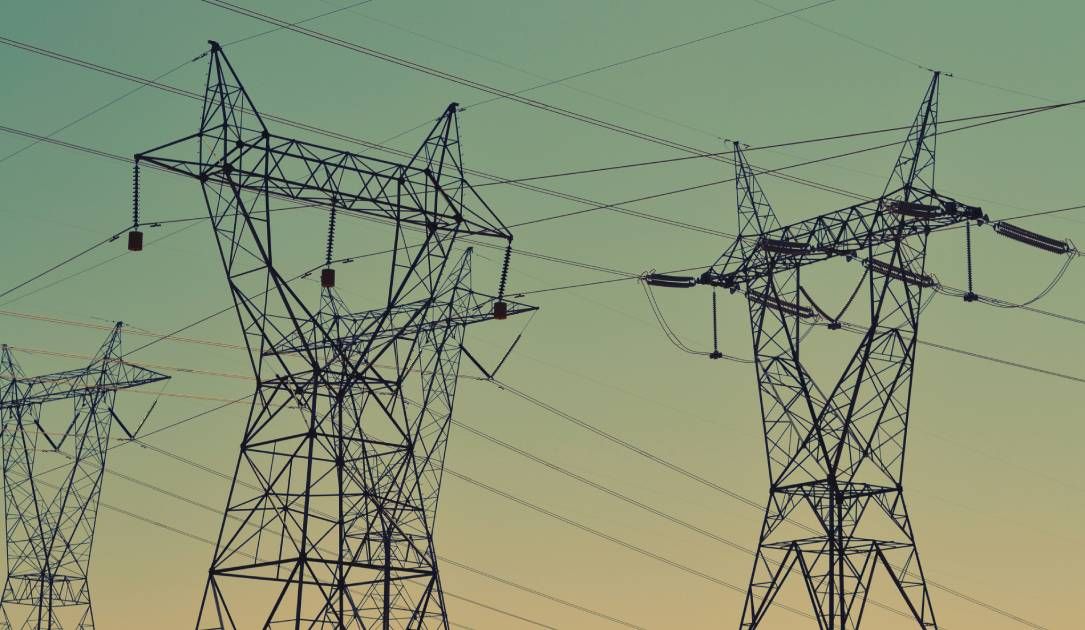
The Trump administration on Wednesday issued an executive order banning the acquisition of foreign-made technology used to manage electricity and power.
The White House said the decision was made because “certain foreign actors are increasingly creating and exploiting vulnerabilities” in the technology — known as bulk-power systems.
The order warns that the equipment powering critical infrastructure may have digital backdoors allowing foreign governments to access equipment remotely or cause supply-chain disruptions.
“During my first term, I found that the bulk-power system could be a target of those seeking to commit malicious acts against the United States, including malicious cyber activities, because of the significant risks that a successful attack would have on our economy, human health and safety, and national defense,” President Donald Trump said.
The order follows a string of concerning cyberattacks on critical infrastructure.
Water utilities in at least 12 states experienced cyberattacks last month and on Wednesday, the federal cyber defense agency said it "observed malicious cyber activity targeting over 100 internet-exposed systems” in the water and wastewater sector.
In the United Kingdom, hackers reportedly shut down a small British power plant for four days. The National Security Agency and FBI recently published an advisory about an artificial intelligence-powered “active threat” to a specific brand of operational technology used by the energy, water and agricultural industries.
While no countries were officially blamed for the incidents, several experts have pointed the finger at Iranian hackers. In addition to Iran, U.S. officials have previously attributed past attacks on critical infrastructure to Russian and Chinese hackers.
The FBI disrupted a Chinese botnet on Wednesday they said was used to breach the Federal Reserve, NASA and other federal agencies managing critical infrastructure.
‘An unusual and extraordinary threat’
Wednesday’s order focuses on the technology that manages energy transmission lines rated at 69,000 volts or higher, as well as substations, control rooms, power generating stations, reactors and more.
It also covers associated software and firmware that could be remotely accessed or updated by foreign governments.
The order calls foreign-made bulk-power system electric equipment an “unusual and extraordinary threat” and bans the acquisition or installation of the tools in the U.S.
The Defense, Commerce and Energy Departments are tasked with checking transactions involving bulk-power system electric equipment.
Federal agencies can also impose conditions on previously purchased equipment but must consider whether replacements are available.
A list will be created and published outlining pre-qualified equipment and vendors. Senior officials have 120 days to create rules and regulations around the issue and determine which countries “warrant particular scrutiny under the provisions of this order.”
Agencies will also need to identify currently used bulk-power system electric equipment that is considered at risk and submit a plan to the White House about how they plan to “identify, inventory, isolate, monitor, or replace such items as soon as practicable.”
The White House did not respond to requests for comment about what precipitated the executive order.
Cybersecurity experts and government agencies have repeatedly warned that government-backed hackers are deploying artificial intelligence in attacks on critical infrastructure — simplifying potentially devastating attacks.
After the executive order was published, OpenAI, Google and dozens of other tech and finance giants issued a warning that there is a “limited window to strengthen cyber defenses” before AI-enabled cyberattacks “will become far more widespread and sophisticated as models around the world become increasingly capable.”
“The companies and public services our communities depend on — from hospitals to water treatment plants to the infrastructure that powers the internet — are at risk,” OpenAI said, warning that security teams for critical infrastructure have been “historically under-resourced.”
The company said governments need to coordinate cyber defense at local, national, and international levels while also sharing actionable threat intelligence.
References in this story
- Declaring a National Emergency to Secure the United States Bulk-Power System www.whitehouse.gov By the authority vested in me as President by the Constitution and the laws of the United States of America, including the International Emergency
- Cyberattacks on water systems expand to 12 states as South Dakota, Georgia announce incidents therecord.media Water utilities in at least 12 states have reported cyberattacks on their operational technology, as the scope of a campaign allegedly linked to Iranian hackers continues to grow.
- Internet Exposure Reduction Guidance | CISA www.cisa.gov Critical infrastructure operators face heightened risk from internet-exposed systems and CISA strongly urges these organizations to prioritize this guidance to safeguard essential services. This guidance benefits all…
- NSA, FBI warns of hackers using AI-generated tools in attacks on critical infrastructure technology therecord.media The National Security Agency (NSA), FBI and other federal agencies said the campaign is targeting Siemens S7 Series PLCs and was being fueled by “AI-assisted development” alongside exploitation of known vulnerabilities.
- Russian state hackers likely behind wiper malware attack on Poland’s power grid therecord.media A major cyberattack that nearly cut electricity to half-a-million people in Poland last year was reportedly carried out by the Russia-linked hacking group Sandworm, which likely attempted to knock out systems using…
- Suspected China-backed hackers target 7 Indian electricity grid centers therecord.media China on Thursday denied any connection to cyberattacks targeting seven facilities managing the electricity grid in Northern India after a new report from Recorded Future implicated a group potentially connected to the…
- US takes down alleged Chinese hacking tools used against Federal Reserve, DOJ and Senate therecord.media The DOJ said it disrupted Chinese state-backed tools used to scan, infect and exploit IoT devices for attacks on federal agencies and multiple industries.
- Taiwan says it was hit by ‘abnormal’ AI-assisted cyber-attack www.theguardian.com Taiwan’s statement comes a day after reports that suspected China-linked hackers had carried out a first-of-a-kind breach
- Advanced Cyber Threat Intelligence | Recorded Future www.recordedfuture.com Get real-time, actionable cyber threat intelligence with Recorded Future. Mitigate cyber risks, prioritize threats, and proactively secure your organization.
- Advanced Cyber Threat Intelligence | Recorded Future www.recordedfuture.com Get real-time, actionable cyber threat intelligence with Recorded Future. Mitigate cyber risks, prioritize threats, and proactively secure your organization.
- jon greig (@jgreigj) on X twitter.com @TheRecord_Media cybersecurity reporter. formerly @zdnet @cambodiadaily @haitiantimes_ — send tips to [email protected] or signal: jgreig.51
- jon greig (@jgreig.bsky.social) bsky.app cybersecurity reporter for The Record. formerly: zdnet, techrepublic, blavity, haitian times, cambodia daily — send tips to [email protected] or signal: jgreig.51