US sanctions Iranian cyber actors as UK discloses power plant attack
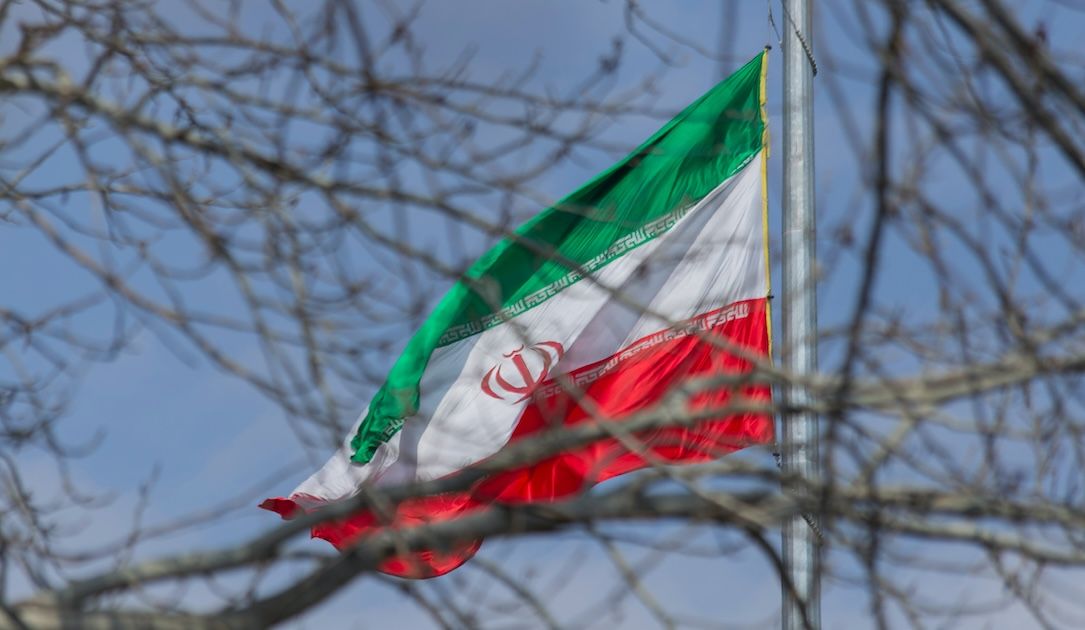
The U.S. sanctioned several Iranian nationals on Monday for cyberattacks on critical infrastructure just days after reports emerged of a cyber intrusion on a small power plant in the United Kingdom.
Treasury Secretary Scott Bessent unveiled a slate of new sanctions and measures designed to pressure the government of Iran as the U.S. attempts to reopen the critical Strait of Hormuz.
Among those sanctioned were at least six men accused of being part of a hacking operation housed within Iran’s Ministry of Intelligence and Security (MOIS). Four of the men were indicted last week for allegedly breaching employee email accounts connected to the Department of Labor, the Federal Energy Regulatory Commission and multiple organizations within the United Nations.
The Treasury Department said the men — Keyvan Fayyaz Ghareh Blagh, Saber Shahbazi Balujeh, Mohammad Reza Kadkhoda’i, Mojtaba Ghal’eh-Kuhi and two others who had previously been sanctioned — are part of a team that since 2023 has conducted cyberattacks on behalf of Iran’s MOIS and “is responsible for extensive compromises of U.S. critical infrastructure and financially motivated cyber theft.”
“The MOIS directs several networks of cyber threat actors involved in cyber espionage in support of Iran’s political goals, which include harming American civilians,” the agency said.
According to Treasury officials, Blagh, Balujeh and Kadkhoda’i conducted the majority of the group’s initial intrusions and data thefts.
The group targeted critical infrastructure sectors including energy companies, defense contractors, healthcare institutions, information technology companies, and financial institutions.
“Additionally, in summer 2024, they compromised multiple local, state, and federal government offices across the United States,” the Treasury Department added. “The members of this group are also heavily motivated by personal enrichment and greed, leading some members to prioritize their own profits over operations that benefit the MOIS.”
Several members of the group have also allegedly targeted Iranian companies or stolen cryptocurrency from local coin holders.
Iranian threat actors have been accused of several hacking campaigns since the U.S. began conducting airstrikes against the country in February, including recent attacks targeting water systems in at least 12 states. Tehran also took credit for cyberattacks on a prominent medical device company as well as the personal email account of the FBI director.
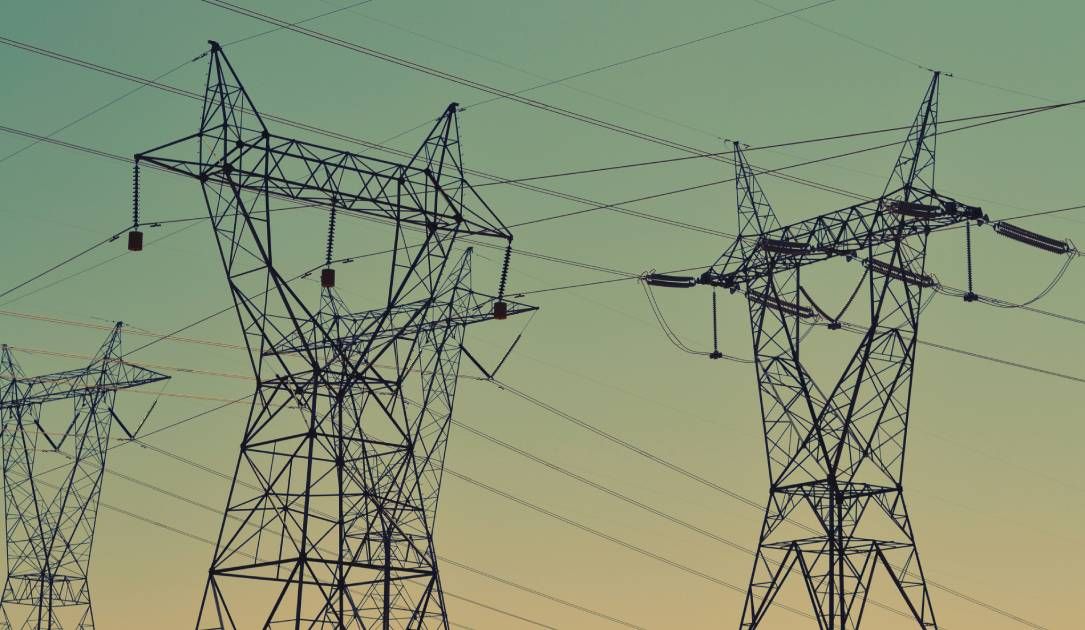
Iran’s hackers have also hit U.S. allies, and were reportedly able to shut down a small British power plant for four days. No one lost power and the attack did not affect the overall power grid, the Telegraph reported, the Telegraph reported.
The incident reignited concerns that Iranian actors have the capability to breach critical infrastructure organizations responsible for water, power and other utilities.
U.K. Energy Minister Michael Shanks said in social media posts that the government has briefed energy CEOs and shared further advice with companies on the steps they should take to stay secure.
Last Wednesday, the FBI and National Security Agency warned that unnamed hackers are targeting specific operational technology — known as programmable logic controllers (PLC) — that are used widely by the energy, water and agricultural industries.
Markus Mueller, a security official at Nozomi Networks with experience working at power plants, called the attack a “major escalation” from the targeting of water utilities.
“This is the type of facility that a capable adversary that understands the systems could cause real damage to,” he said, noting there are reports the incident involved a PLC that was not secured.
“If an adversary can get into the main control system that runs the turbine or boiler there is a greater safety risk.”
References in this story
- Treasury Launches Unprecedented Campaign Against Iranian Regime on Economic D-Day home.treasury.gov Initiates Operation Economic Outcast **WASHINGTON**—Today, at President Trump’s direction, the U.S. Department of the Treasury has begun Operation Economic Outcast: an unprecedented, whole-of-government, economic…
- US charges Iranians for sprawling hacking campaign on government agencies, universities therecord.media The Justice Department accused 17 alleged hackers with ties to the Iranian government of breaching email accounts at U.S. government agencies and stealing intellectual property from dozens of universities.
- Cyberattacks on water systems expand to 12 states as South Dakota, Georgia announce incidents therecord.media Water utilities in at least 12 states have reported cyberattacks on their operational technology, as the scope of a campaign allegedly linked to Iranian hackers continues to grow.
- FBI takes down leak sites tied to Iran’s Ministry of Intelligence and Security therecord.media In a 40-page seizure warrant, the FBI outlined multiple digital campaigns launched by Iran’s Ministry of Intelligence and Security (MOIS) through a variety of online monikers, most recently going by the name “Handala.”
- FBI confirms theft of director’s personal emails by Iran-linked hacking group therecord.media An FBI spokesperson told Recorded Future News that the information is “historical in nature and involves no government information,” adding that the agency has “taken all necessary steps to mitigate potential risks…
- The Telegraph’s reporting today relates to a cyber incident affecting a small-scale energy generator. To be clear… www.linkedin.com The Telegraph’s reporting today relates to a cyber incident affecting a small-scale energy generator. To be clear: there was no threat to the wider grid and nobody lost power. We have one of the most resilient energy…
- NSA, FBI warns of hackers using AI-generated tools in attacks on critical infrastructure technology therecord.media The National Security Agency (NSA), FBI and other federal agencies said the campaign is targeting Siemens S7 Series PLCs and was being fueled by “AI-assisted development” alongside exploitation of known vulnerabilities.
- Advanced Cyber Threat Intelligence | Recorded Future www.recordedfuture.com Get real-time, actionable cyber threat intelligence with Recorded Future. Mitigate cyber risks, prioritize threats, and proactively secure your organization.
- Advanced Cyber Threat Intelligence | Recorded Future www.recordedfuture.com Get real-time, actionable cyber threat intelligence with Recorded Future. Mitigate cyber risks, prioritize threats, and proactively secure your organization.
- jon greig (@jgreigj) on X twitter.com @TheRecord_Media cybersecurity reporter. formerly @zdnet @cambodiadaily @haitiantimes_ — send tips to [email protected] or signal: jgreig.51
- jon greig (@jgreig.bsky.social) bsky.app cybersecurity reporter for The Record. formerly: zdnet, techrepublic, blavity, haitian times, cambodia daily — send tips to [email protected] or signal: jgreig.51