Threat actors are now relying on agentic workflows powered by AI-based offensive frameworks to automate vulnerability discovery and exploitation, accelerating attacks to machine speed.
The FBI is warning that hackers are using an AI-powered penetration testing framework called ARTEX to automate cyberattacks against organizations worldwide, including a recent ConnectWise supply-chain breach that compromised Microsoft 365…
Cursor confirmed it suffered a security breach that let hackers distribute a malicious Claude Code extension through its marketplace after stealing credentials from AI infrastructure provider Fireworks AI.
Open source hacking tool Artex "significantly reduces the time required to chain attack techniques, with some intrusions progressing from initial targeting to privileged access in under three hours," the FBI said.
British organizations have reported a record number of cyber incidents to the country’s data protection regulator this year, as cybersecurity firms blame data extortion and artificial intelligence for a surge in attacks.
A new worm-like malware toolkit named SCKit was deployed in the recent ScreenConnect attacks targeting managed service providers (MSPs), designed to spread from infected customer devices to MSP technicians' computers and compromise…
Suspected Kazakhstan-linked hackers used an artificial intelligence agent to help spy on Central Asian governments, steal sensitive documents and infiltrate critical infrastructure networks, according to new research.
The guidelines call on businesses that develop, sell or finance CCICs to vet their customers, establish technical safeguards against misuse and to maintain systems for monitoring and reporting abuses.
The US Cybersecurity and Infrastructure Security Agency (CISA) warned on Tuesday that hackers are now exploiting a high-severity Cisco BroadWorks vulnerability in attacks.
Cloud hosting provider Railway says hackers exploited vulnerabilities in its infrastructure to steal customer authentication secrets and generate approximately $740,000 in fraudulent AI usage, potentially exposing credentials for up to…
Microsoft did another four-digit patch drop today, releasing updates to fix almost 1,100 security vulnerabilities in its Windows operating systems and supported software. This month's Patch Tuesday addresses 63 critical flaws -- including…
Michael LoSapio, Palantir's chief information security officer, is officially President Donald Trump's pick to lead the Cybersecurity and Infrastructure Security Agency.
AI infrastructure startup Fireworks has disclosed a new security breach in which attackers accessed its development machines after breaching a third-party cloud provider.
OpenAI has revealed GPT-6 Cyber, a new artificial intelligence model that has discovered 81 previously unknown high-severity Firefox vulnerabilities and developed working exploits for 948 distinct Linux kernel flaws.
Patrick Steven Yaroch, 37, is facing up to 20 years in prison on wire fraud and money laundering charges after admitting to using his position on an FBI investigative squad to steal more than $2.4 million in cryptocurrency to cover his…
Hackers are using fake OpenAI, SpaceX, and Anthropic event invitations to lure employees into phishing attacks, using two different phishing-as-a-service platforms to steal Microsoft and Google account credentials and authentication…
Large language model hijacking attacks, also known as LLMjacking, are generating large fraudulent cloud charges, with some organizations losing more than $100,000 per day.
OpenAI has just confirmed that it's rolling out ChatGPT Work capabilities directly into regular Chat, while also combining usage allowances across ChatGPT and Codex.
Security researchers at Anthropic have developed an exploit for a critical Linux kernel vulnerability that allows unauthenticated attackers to remotely execute commands as root on servers running Multipath TCP (MPTCP) listeners.
OpenAI says it won't reduce usage limits for the $100, $200, and $500 ChatGPT Pro plans, as well as Business Premium, and it also promised to keep Dots usage independent.
AI agents can control authenticated browsers, interact with corporate applications, and access sensitive data while appearing to act as legitimate employees. Keep Aware examines three ways agents operate inside browsers and why traditional…
Noyb alleges the platform in some cases records freelancers’ mouse clicks and keystrokes every few seconds and claims the collected information can be used to generate video documenting freelancers’ entire workday.
The U.S. Treasury Department sanctioned Russian and North Korean nationals for allegedly laundering the earnings of illicit IT workers on behalf of Pyongyang.
The new U.K. budget says the government will "consider where liability for cyber breaches should sit," potentially a landmark shift for a country that has relied on voluntary codes to encourage software vendors to improve security.
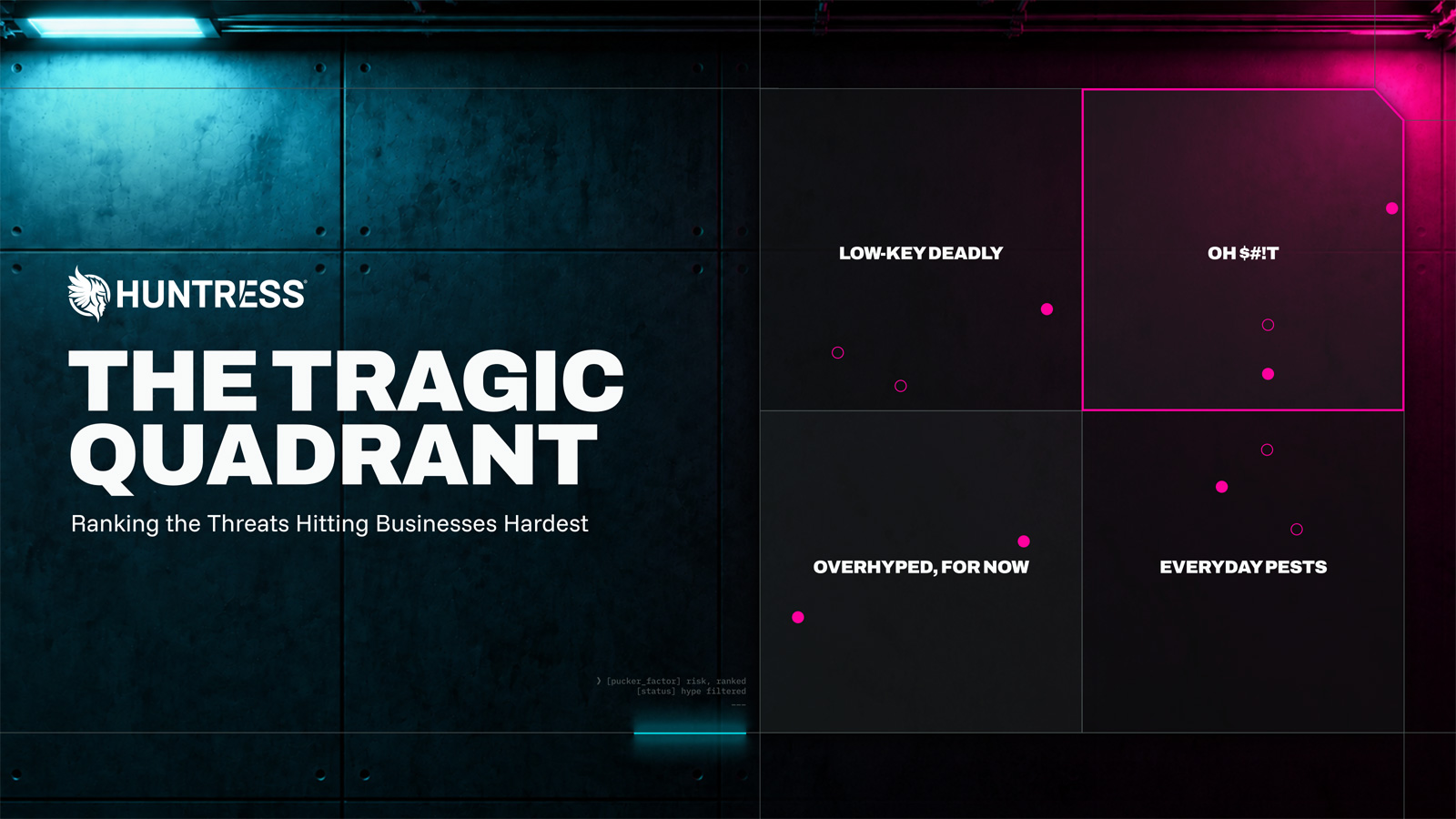
Attackers are increasingly abusing legitimate IT tools, Microsoft 365 sessions, and everyday workflows to compromise businesses without triggering traditional defenses. Huntress Labs ranks the threats hitting organizations hardest…
More than half of the individual warnings from the Australian Signals Directorate (ASD) drew on previously secret material that had been cleared for disclosure, underscoring the growing role of intelligence sharing to prevent attacks.
In an unusual move, the suit — brought under the state’s deceptive trade practices laws — seeks to hold founder and CEO Sam Altman personally liable for the alleged deception.
OpenAI has launched GPT-6.1 Terra, a new model focused on computer use, visual reasoning, coding, and everyday work, while costing significantly less than its larger models.
LiteLLM, an open-source tool widely used by artificial intelligence developers, said a key accidentally exposed in May was behind a supply-chain attack that is believed to have hit tens of thousands of users last week.
A Chinese government-aligned hacking group used automated tools to carry out the recent supply chain attack on IT management software company ConnectWise and is using the same techniques to try to compromise organizations around the globe…
Attackers can steal credentials and begin exfiltrating data within minutes, often before security teams can respond. Exaforce examines real-world attacks involving stolen GitHub tokens, malicious AI installers, and MFA phishing, explaining…
ClickFix attacks are surging as cybercriminals use fake AI installers, malicious search results, and trusted chatbot platforms to trick users into executing malware. Push Security examines how these attacks evade traditional defenses and…
The U.S. Department of Homeland Security (DHS) is ordering federal civilian agencies to stop using DeepSeek products and remove them from government systems.
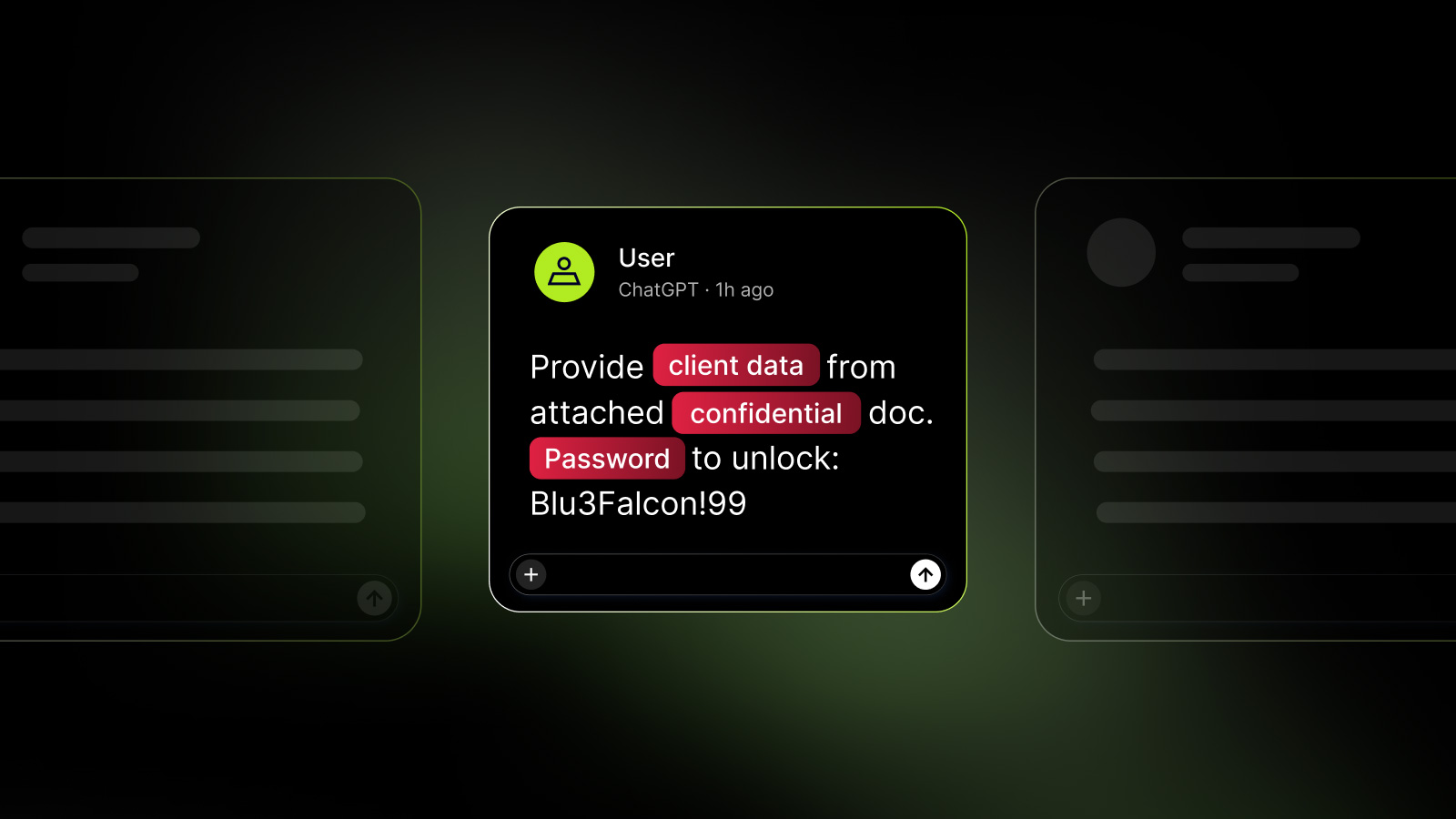
Employees using personal ChatGPT accounts at work can expose sensitive company data, even when their organization provides an approved Enterprise workspace. NordLayer explains how IT teams can investigate unauthorized AI use and block…
AI-powered penetration testing can uncover complex attack paths, but safety restrictions and network limitations leave many assets and vulnerabilities untested. Picus Security explains how combining agentic pentesting with exposure…
The Joint Economic Committee on Tuesday released the results of a year-long investigation into Tinder, Hinge, Match, Plenty of Fish and several other dating sites owned by Match Group.
Abdulrahman Alfozan, 35, a Saudi national working as an engineer for OpenAI, was charged Tuesday with secretly bugging an executive conference room at one of the company’s buildings in San Francisco.
Anthropic is warning that small AI models could soon be able to self-replicate across consumer IoT devices, from Android TV boxes to smart ovens, creating distributed botnets capable of running AI workloads without relying on data centers.
Today is Microsoft's October 2026 Patch Tuesday, with security updates addressing a record-breaking 1,411 flaws, including one actively exploited and two publicly disclosed zero-day vulnerabilities.
Anthropic announced that its internal AI models undergoing "high-risk and cybersecurity evaluations" no longer have internet access following incidents involving U.S. government websites at the federal, state, and local levels.
A third Yandex data center in Russia was hit by Ukrainian drones over the weekend, forcing it to shut down and causing further disruptions to cloud services, payments, deliveries and other online services across the country.
The cyberattacks that shook the South Korean financial sector earlier this month were launched by a Chinese hacker using the ARTEX AI penetration testing suite and Claude agents.
A Latin American propaganda operation run by Russians and a cluster of Iranian fake journalist identities each had help from now-closed ChatGPT accounts, OpenAI's safety team said.
The proposed sale would include about 100 million emails, 500 million Microsoft Teams messages, employment contracts, employee and timecard records and payroll and tax information, Rep. Steven Horsford (D-NV) said in a press release.
Two of South Korea's largest Protestant churches are investigating cyberattacks that may have exposed sensitive information about hundreds of thousands of members, including personal details, financial records and internal documents.
The Operational Technology Cybersecurity Coalition released a white paper urging the CISA to create a new directive centered around operational technology, which is used to monitor and control critical infrastructure.
Users of two types of Fortinet hardware should take steps to limit their exposure to a now-global credential stealing campaign, U.S. federal law enforcement says.
The personal data of at least 68,000 people was reportedly exposed in breaches of at least seven financial institutions, with officials saying they believe a Chinese cybersecurity tool was used to hack the banks’ systems.
A new campaign targeting ad account managers uses fake ChatGPT, Gemini, Claude, and Perplexity sites that steal login credentials and multi-factor authentication (MFA) codes through browser-in-browser attacks.