Browser-based attacks can steal sessions, abuse extensions, or manipulate users without creating the endpoint artifacts EDR is designed to detect. NordLayer explains three ways attacks can evade endpoint telemetry and why browser-level…
Custom variants of OpenAI's ChatGPT promoted in sponsored Google results are directing unsuspecting users to malicious sites that use ClickFix attacks to deliver malware.
Cloudflare has fixed a vulnerability in Containers and Sandboxes that allowed customers with a Workers Paid account to recover residual data from other customers' containers on the same physical host.
OpenAI agents targeted public data providers in multiple countries, probing some for vulnerabilities and exploiting a security weakness in an Australian government portal while performing information-retrieval tasks as part of a research…
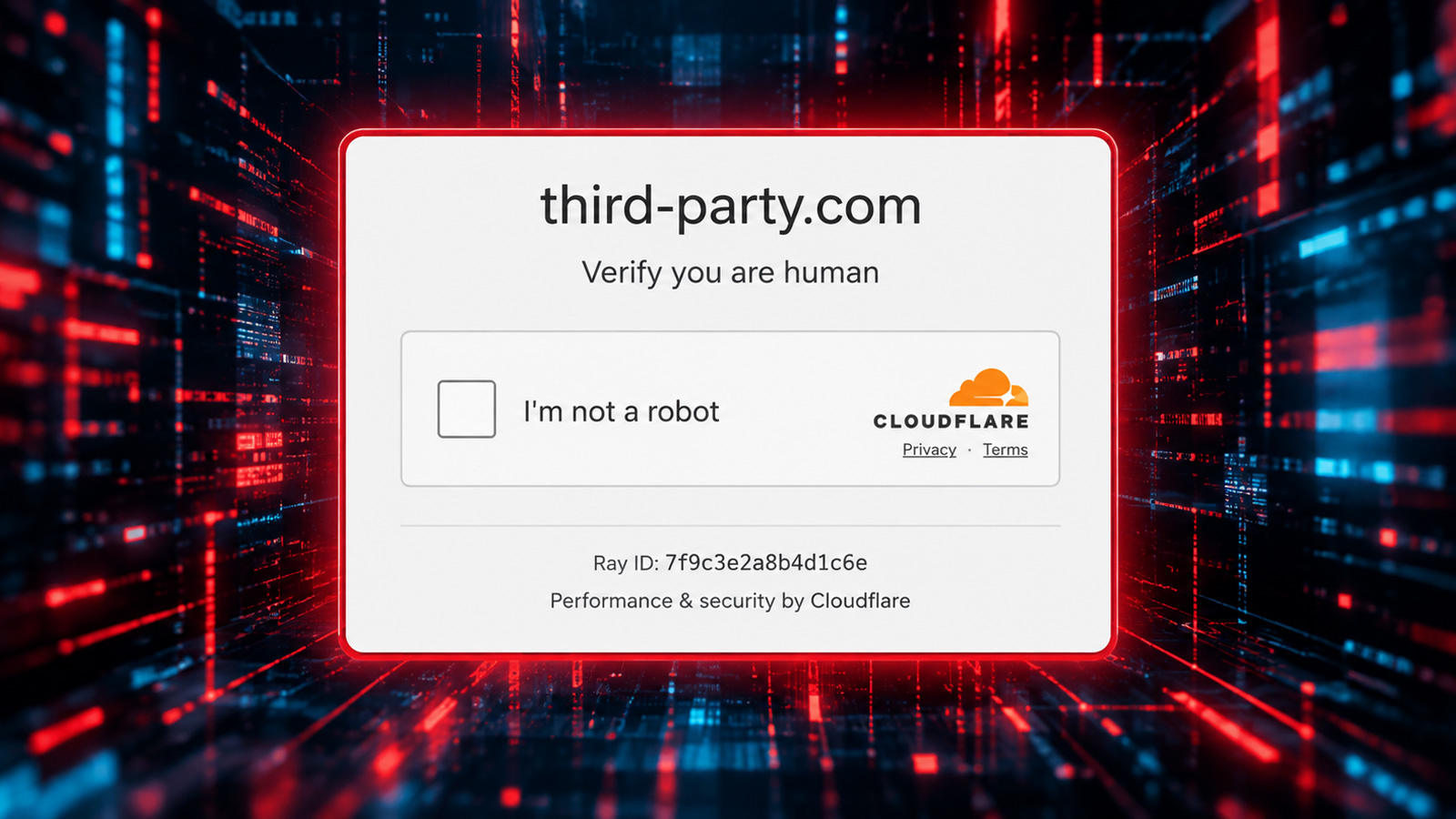
The "third-party.com" domain, commonly used as a placeholder in developer documentation and code examples, is serving a fake Cloudflare verification page that attempts to trick Windows users into executing PowerShell commands.
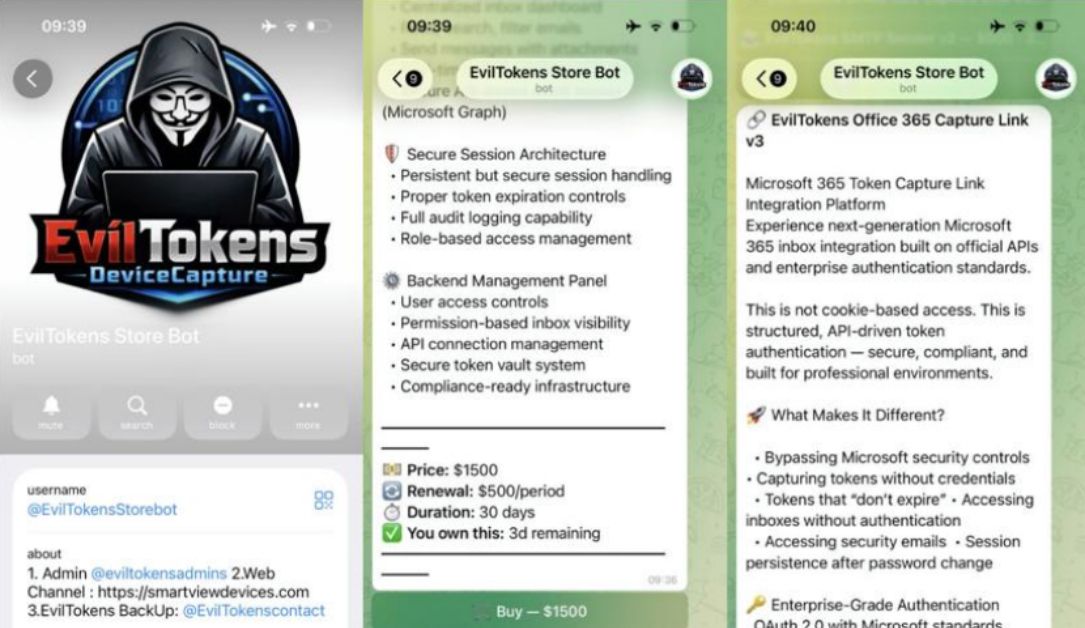
Available on Telegram for a $1,500 initiation fee and a recurring monthly $500 subscription, EvilTokens provided cybercriminals with artificial intelligence tools enabling them to compromise accounts, analyze breached inboxes and find the…
The EvilTokens platform that compromised more than 12,000 Microsoft accounts at over 10,000 organizations has been disrupted in an effort led by Microsoft's Digital Crimes Unit (DCU).
Brevo confirmed that attackers stole a Cloudflare API key and used it to inject malicious ClickFix scripts into its websites and JavaScript files embedded on customer sites to distribute malware.
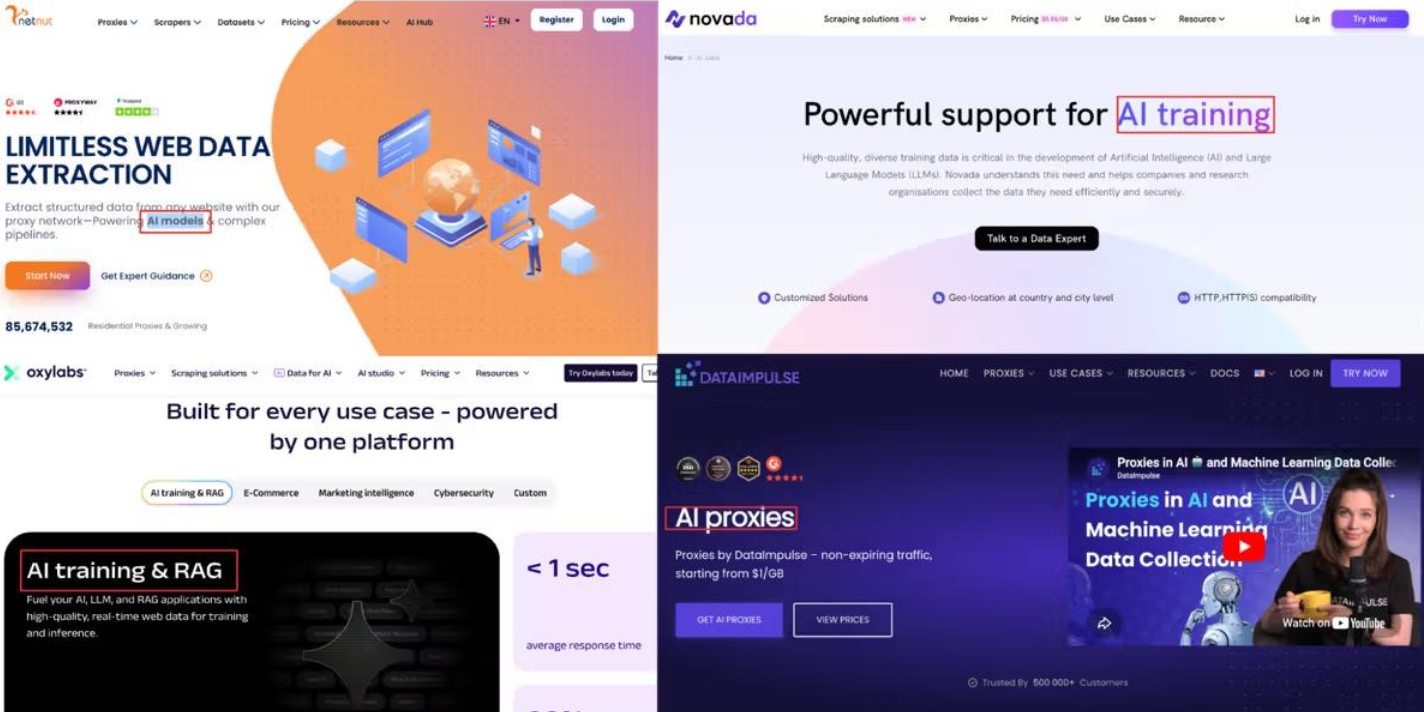
Attackers can hide behind residential proxies, VPNs, and other infrastructure that makes malicious sessions appear legitimate to existing edge security controls. Spur explains how session enrichment adds data points that help organizations…
In a report published Tuesday, Kaspersky said it first discovered NodeRabbit on a system in Afghanistan and later identified variants on systems in Egypt and Ethiopia.
A new ClickFix variant dubbed TerminalFix uses fake Cloudflare CAPTCHA prompts on compromised websites to trick victims into running malicious PowerShell commands in Windows Terminal.
Threat actors are abusing npm and its mirrors to host malicious HTML pages that impersonate Cloudflare CAPTCHAs to redirect visitors to attacker-controlled websites.
More than 737 browser extensions published on the Chrome Web Store impersonated well-known VPN and proxy services while routing users' traffic through SOCKS5 proxies operated by a single provider.
Signal has introduced Automatic Key Verification, a new security feature that gives users a new way to ensure their encrypted chats haven't been intercepted.
Cloudflare says it mitigated more than 800 network-layer distributed denial-of-service (DDoS) attacks exceeding 1 Tbps in the second quarter of the year.
AI is helping attackers create disposable phishing infrastructure and rapidly evolving toolkits that blocklists cannot track fast enough. Push Security explains why browser-level, technique-based detection offers a more durable defense…
N-able is warning customers that hackers are exploiting an authentication bypass vulnerability (CVE-2026-18577) affecting both hosted and on-premises N-central servers.
Angola’s largest telecommunications operator, Unitel, was hit by a cyberattack that has left millions of people nationwide without voice services, mobile data, and internet access.
The Chaos ransomware gang is using a new backdoor dubbed msaRAT that hides command-and-control (C2) communication by routing it through the Chrome or Edge browsers.
Public exploits have been released for the critical "wp2shell" remote code execution vulnerabilities affecting WordPress Core, making it imperative that administrators patch their sites immediately.
A Russian-speaking threat actor known as "bandcampro" used Google's open-source Gemini CLI AI tool as a hacking agent and to operate a small-scale botnet.
A new phishing-as-a-service (PhaaS) operation called Forg365 focuses on stealing Microsoft 365 accounts by combining adversary-in-the-middle (AiTM) and device code methods with AI-assisted lure generation.
ActiveState explains how GitHub Actions attack chains can evade traditional CI security scanners, why passing a scan doesn't guarantee a secure pipeline, and how organizations can better govern their CI/CD workflows.
For the past four years, a sprawling Android-based botnet called Popa has forced millions of consumer TV boxes to relay Internet traffic linked to advertising fraud, account takeovers, and mass data-scraping efforts. This week, researchers…