DNI nominee Clayton wins Senate panel’s approval
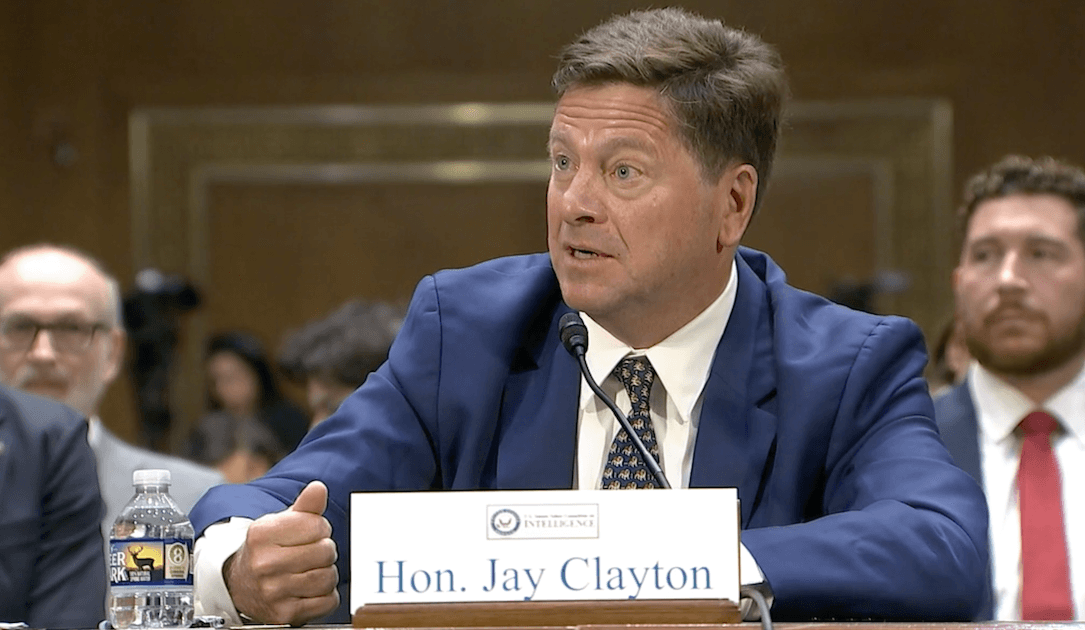
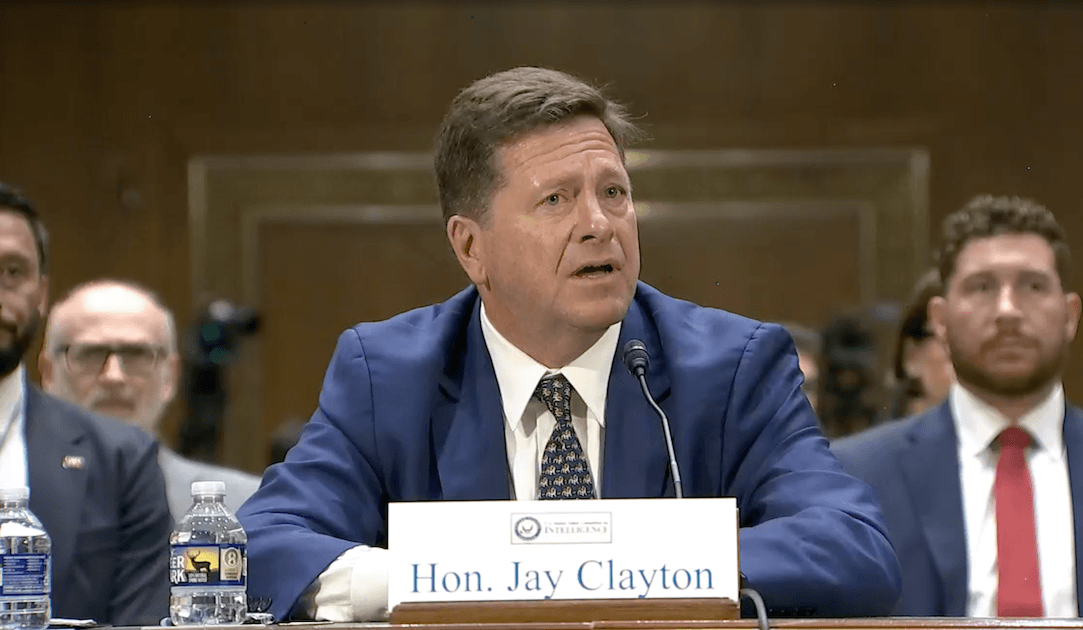
The Senate Intelligence Committee on Tuesday voted along party lines to back President Donald Trump’s choice for director of national intelligence, Jay Clayton, clearing an important hurdle for his nomination.
The 9-8 vote opens the way for the full Senate to decide if Clayton should be confirmed as the country’s latest spy chief. That vote is likely to happen before senators depart for their August recess.
"Jay Clayton is a highly qualified nominee with a deep experience combatting a wide range of national security threats," said panel Chairman Tom Cotton (R-AR).
At his confirmation hearing last week, committee Democrats repeatedly expressed concerns Clayton will politicize the position on behalf of President Trump, after he refused to acknowledge that Joe Biden defeated him in the 2020 election — saying only that he was “certified.”
Clayton also was pressed on former director of national intelligence Tulsi Gabbard’s visit to a Georgia election office earlier this year during an FBI search related to the 2020 election.
While the session was often tense, it didn't spark any speculation about whether Clayton, who chaired the Securities and Exchange Commission during the first Trump administration, would win the panel’s support..
Clayton’s confirmation hearing took place the day before Trump delivered a national primetime address in which he accused some foreign countries, particularly China, of attempting to interfere in American elections dating back to his electoral loss.
Even though the White House released a raft of newly declassified documents it claimed proved Trump’s years-old claims, it appears the administration has still not found any hard evidence of foreign intervention in voting machines or any proof of votes being flipped.
For his part, Clayton testified that he had no involvement with Trump’s speech.
His confirmation could potentially clear the way for bipartisan legislation to renew Section 702 of the Foreign Intelligence Surveillance Act (FISA). It allows the National Security Agency to collect certain categories of foreign intelligence information from international phone calls and emails of hackers, foreign spies and other perceived security threats living overseas but also intercepts Americans’ data.
The statute expired last month after Democrats said they would not support the bill while acting intelligence director Bill Pulte, a former housing official with no known intelligence experience, remained in office.
References in this story
- Trump’s DNI pick grilled about election security, voter fraud therecord.media Senators pressed director of national intelligence nominee Jay Clayton about his stance on the 2020 election and previous statements about voter fraud. Other issues took a back seat.
- US intelligence chief grilled on absence of election threats in security assessment therecord.media Previous clandestine community assessments have documented, at least at a high level, attempts by Iran, Russia or China to sway voters with online propaganda or through cyber operations.
- Major US surveillance program poised to lapse after legislative deadlock therecord.media It is the first lapse of the spy program, known as Section 702 of the Foreign Intelligence Surveillance Act (FISA), since it was passed into law in 2008.
- Advanced Cyber Threat Intelligence | Recorded Future www.recordedfuture.com Get real-time, actionable cyber threat intelligence with Recorded Future. Mitigate cyber risks, prioritize threats, and proactively secure your business.
- Martin Matishak (@martinmatishak) on X twitter.com Senior Cybersecurity Reporter for @TheRecord_Media. Send tips to [email protected]. Signal: mmatishak.80
- Martin Matishak (@martinmatishak.bsky.social) bsky.app Senior Cybersecurity Reporter at The Record from Recorded Future News. Send tips to [email protected]. Signal: mmatishak.80