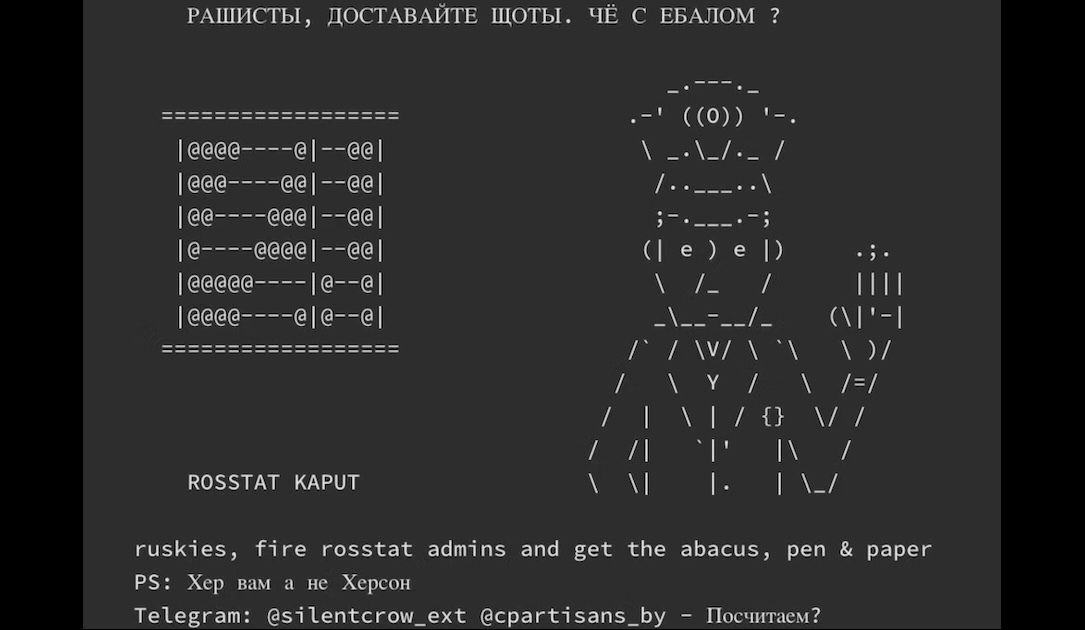
Belarusian hacktivists spent two years inside Russian healthcare network, researchers say
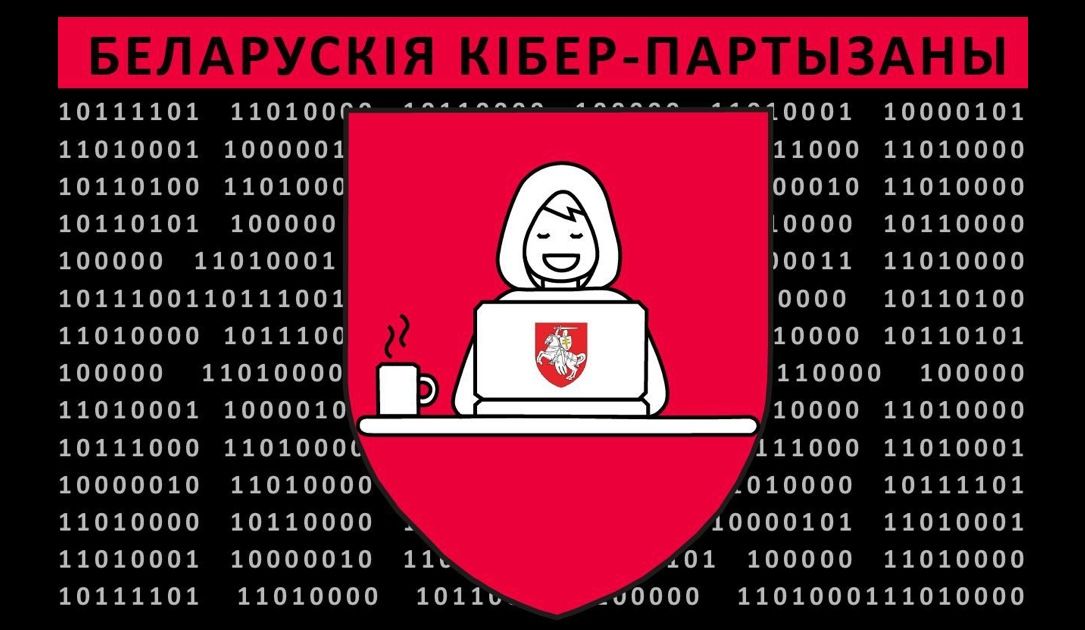
A Belarusian activist hacking group reportedly spent nearly two years inside the network of a Russian healthcare organization, potentially gaining access to sensitive medical data, according to new research.
Russian cybersecurity firm Solar, a subsidiary of state-controlled telecom giant Rostelecom, said it discovered the intrusion in December 2025 but traced the earliest signs of the compromise to early 2024.
In a report released last week, researchers attributed the attack to the Belarusian Cyber Partisans, a group best known for disruptive attacks against government agencies and businesses in Belarus and Russia.
The targeted organization was not identified, but Solar said it operated extensive infrastructure with connections to numerous other healthcare organizations, potentially giving the hackers opportunities to use the compromised network to reach additional targets.
The hackers accessed sensitive medical data but did not disrupt or destroy the organization’s systems during two years in the network, according to the researchers.
“We believe the lack of destructive activity was linked to the value of maintaining this access for further espionage and trusted-relationship attacks,” they added.
In a trusted-relationship attack, hackers first compromise an organization that another potential victim already trusts and then exploit that connection to gain access to the ultimate target.
Among the tools used in the intrusion was Vasilek, a Windows backdoor that communicates with its operators through Telegram. The malware was first documented by Kaspersky in 2025, although Solar said the version it examined was newer.
Once installed, Vasilek can collect information about an infected computer, execute Windows commands, launch and terminate processes, transfer files, capture screenshots and record keystrokes. It can also update or delete itself.
Solar said restrictions on Telegram in Russia made communications between Vasilek and its command-and-control infrastructure less reliable. But the researchers said hackers can switch to other communication methods.
The Belarusian Cyber Partisans did not respond to a request for comment about the attack at the time of publication.
'Extremist' hackers
The group emerged following mass protests against Belarusian President Alexander Lukashenko after the country’s disputed 2020 presidential election, which Western governments rejected as fraudulent.
The Cyber Partisans have since claimed responsibility for some of the largest cyberattacks against the Belarusian government, including operations targeting state institutions and the country’s railway system.
Since the start of the Ukraine war, the group has also increasingly targeted Russian organizations, including in operations aimed at stealing intelligence and disrupting operations.
Russia’s Supreme Court in July designated the Cyber Partisans an “extremist organization,” accusing the group of seeking to destabilize Russia and Belarus and overthrow the Belarusian government through unconstitutional means.
It was the first time Russia had applied the extremist designation to a hacking group.
“They can’t stop us, so they’re at least doing something to show they’re useful,” the Cyber Partisans said in response to the ruling. “And we will keep destabilizing the dictatorship!”
References in this story
- Partisan Zmiy: атаковала медицинскую организацию rt-solar.ru Partisan Zmiy атаковала медицинскую организацию: группировка находилась в сети около двух лет. Partisan Zmiy использовала обновленный бэкдор Vasilek 1.5.8, Telegram Bot API и DNS-туннели
- How the Belarusian Cyber Partisans are fighting a digital war against two dictators therecord.media "It's no longer just a struggle for the liberation of Belarus — it's a war against the Russian Empire," says the spokesperson for the Belarusian Cyber Partisans, who keep their operations and their membership tightly…
- Belarusian hackers taunt Kaspersky over report detailing their attacks therecord.media A recent Kaspersky report offers a rare glimpse into the alleged arsenal of politically motivated hackers waging a digital war against authoritarian regimes in Russia and Belarus.
- Cyberattack on Aeroflot causing mass flight disruptions, Russia says therecord.media Russian authorities confirmed on Monday that ongoing Aeroflot flight disruptions are due to a cyberattack affecting the nation's largest carrier.
- Russia seeks to label two anti-Kremlin hacker groups as ‘extremist’ therecord.media The groups have previously claimed responsibility for cyberattacks targeting critical infrastructure and government institutions in Russia and Belarus.
- Advanced Cyber Threat Intelligence | Recorded Future www.recordedfuture.com Get real-time, actionable cyber threat intelligence with Recorded Future. Mitigate cyber risks, prioritize threats, and proactively secure your organization.
- Advanced Cyber Threat Intelligence | Recorded Future www.recordedfuture.com Get real-time, actionable cyber threat intelligence with Recorded Future. Mitigate cyber risks, prioritize threats, and proactively secure your organization.
- Daryna Antoniuk (@darynant.bsky.social) bsky.app Cybersecurity Reporter at Recorded Future News. Ex at The Kyiv Independent/Forbes/The Kyiv Post 📍Kyiv, Ukraine